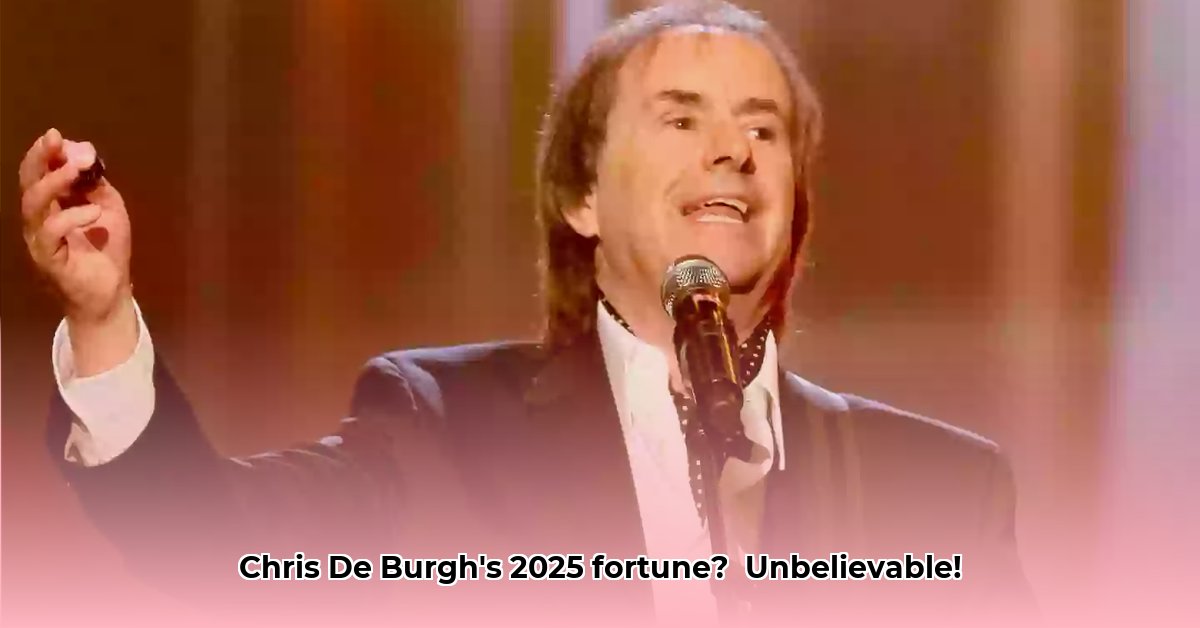
The Ballad of a Multi-Million Dollar Empire
The lingering melody of "The Lady in Red" isn't just a catchy tune; it's the soundtrack to Chris De Burgh's remarkable financial success. His estimated net worth of $50 million isn't solely the result of one iconic hit, but a carefully orchestrated symphony of shrewd business decisions and a career spanning decades. This isn't just a story about a musician; it's a case study in building a lasting empire in a notoriously fickle industry.
De Burgh's journey wasn't a straightforward path to riches. Early struggles breaking into the competitive UK and US markets forced him to adapt and diversify, a strategic move that ultimately proved crucial to his financial success. This adaptability, combined with a keen understanding of the business side of music, distinguishes him from many of his contemporaries. How did he transform a hit song into a multi-million dollar enterprise? Let's unravel the story.
From Humble Beginnings to Global Stardom: Charting a Course to Wealth
De Burgh's early career saw him honing his craft, performing in smaller venues and gradually building a dedicated fanbase. Early albums laid the groundwork for his future success, slowly accumulating recognition and sales. However, the true turning point came with "The Lady in Red," a song that transcended geographical boundaries to become a global phenomenon. This single propelled his career to international stardom, significantly boosting his income and setting the stage for his future financial endeavors.
The millions of albums sold worldwide form the bedrock of his wealth. Songs like "The Lady in Red," with over 180,000 copies sold alone, are just part of a vast catalog that continuously generates revenue through sales, streaming, and licensing. But his financial acumen extends far beyond album sales. What other factors propelled him to his current net worth?
Beyond the Charts: Strategic Investments and Diversification
De Burgh's financial success isn't solely dependent on music royalties. He's demonstrated a keen eye for investment, building a diversified portfolio that minimizes risk and maximizes returns. The sale of a portion of his extensive wine collection, generating an estimated half a million dollars, exemplifies his shrewd investment strategies. This proactive approach mitigates the inherent volatility of the entertainment industry. This financial wisdom is a lesson for any aspiring artist: don't put all your eggs in one basket.
His own record label, Ferryman Productions, further solidified his financial independence and control over his intellectual property. While the exact figures remain private, the advantages of self-management are undeniable, allowing him greater profit margins and creative freedom. This move alone positions him as a savvy entrepreneur, showcasing a business acumen rarely seen in the artistic world.
Actionable Insights: Lessons from a Master of the Music Business
De Burgh's success story offers invaluable lessons for aspiring musicians and the record industry alike.
For Aspiring Musicians:
- Global Reach: Don't limit your ambitions to domestic markets. The world is your audience.
- Diversification: Explore revenue streams beyond music sales. Merchandise, endorsements, and even NFTs can significantly boost income.
- Cultivate Direct Fan Relationships: A strong online presence fosters loyalty and provides a direct channel for engagement.
- Adapt and Innovate: The music industry is dynamic. Continuously adapt your approach to remain relevant.
For Record Labels:
- International Partnerships: Expand into new international markets.
- Data-Driven Decisions: Utilize data analytics to understand evolving listener preferences.
- Innovative Revenue Models: Explore fairer and more sustainable income-sharing models for artists.
- Embrace Technology: Leverage new technologies to reach and engage fans across diverse platforms.
The Future of the "Lady in Red" Empire: A Look Ahead
While predicting the future is an impossible task, De Burgh's ongoing touring schedule and potential ventures suggest continued financial success. His extensive catalog, loyal fanbase, and established brand create a solid foundation for long-term growth. However, the music industry faces inherent risks, including evolving consumption patterns and digital piracy. His adaptability and diversified income streams, however, are likely to position him for continued stability and growth. How has he managed this longevity? It's a testament to his keen business sense and dedication.
Conclusion: A Legacy Beyond the Music
Chris De Burgh's net worth embodies more than just financial success; it's a powerful testament to talent, perseverance, and the importance of strategic business acumen. His journey illustrates the potential for artists to achieve lasting financial security by combining their creative gifts with sound business practices. His story serves as a compelling roadmap for aspiring musicians and a reminder that enduring success in the music industry requires both artistry and astute business sense. His legacy extends far beyond "The Lady in Red," encompassing a financial empire built on a foundation of talent, strategy, and adaptability.